
Blog
How Long Does a Boiler Installation Take? What Happens On Site
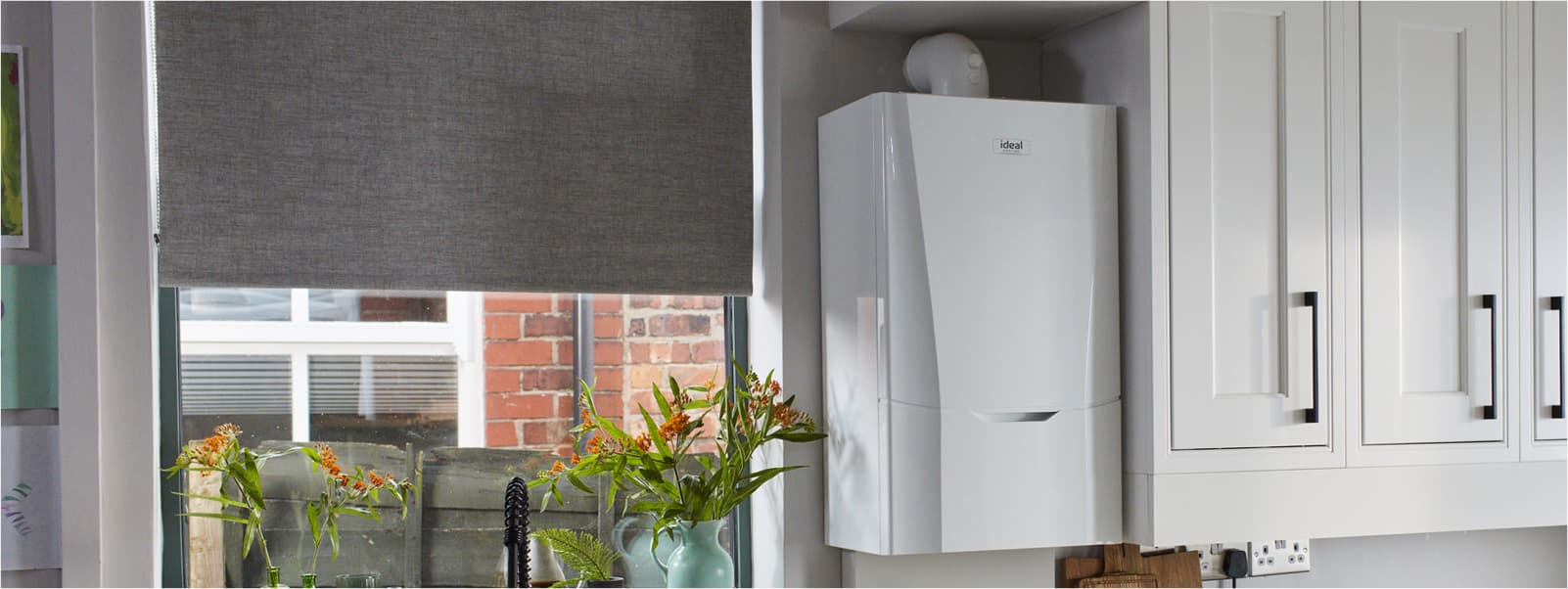
How long does a typical boiler installation take?
The time required for a boiler installation depends on the work around the boiler as much as the appliance itself. Replacing a boiler in the same position can be relatively straightforward. Moving it, altering the flue, adapting pipework or working with an older installation introduces further stages that need to be planned properly.
If you are comparing installation options in Fife, our Boiler Installation service page gives the short answer. Here, we explain what happens on site and why the installation programme can change from one property to another.
The installation starts before the old boiler comes out
A properly planned job begins with confirming how the existing installation is arranged. We need to understand the boiler position, flue route, gas supply, heating pipework, controls and access to the working area. The location of radiators and hot-water equipment can also affect how easily the new boiler can be connected.
This assessment matters because removing the old boiler first can expose problems that were not obvious from a photograph or a brief description. Pipework may need adapting, isolation points may need attention, or the proposed boiler position may not be suitable for the new flue arrangement.
The more information available before installation day, the less likely it is that the work will be interrupted by an avoidable complication.
Why the boiler position affects the programme
A replacement in the existing position usually involves connecting known services to the new appliance. That does not mean every replacement is identical, but it can reduce the amount of alteration required.
A change of position is different. It may involve extending heating pipework, modifying the gas supply, creating a new route for the flue and repositioning controls. Pipework may need to pass through cupboards, floors or walls, so access and making good surfaces become part of the installation.
Flue work is particularly important. The route must be suitable for the appliance and terminate in an acceptable location. If the route cannot be reused, the installation may require additional preparation and careful checking before commissioning.
What happens during the installation
Once the work area is prepared, the old appliance and relevant connections are removed safely. We then install the new boiler, connect the gas and heating pipework, connect the condensate pipework as required, and fit or adjust controls included in the installation plan.
The visible boiler is only one part of the job. Behind it are the connections that allow the appliance to operate safely and communicate with the heating system. Neat pipework, easy-to-reach shut-off points and sensible positioning all support a well-finished installation.
Where the existing installation has issues that affect the new boiler, these are identified during the survey and explained as part of the installation quotation.
The proposed boiler and associated components must be suitable for the property and installed in line with the manufacturer's requirements.
Commissioning is part of the installation, not a final formality
The boiler is not ready simply because it fires up. These final checks involve making sure the boiler, flue, gas supply, controls and heating system are operating as intended. The system needs to be checked under operating conditions, not just switched on briefly.
We use this stage to identify issues such as poor circulation, control settings that do not suit the property or connections that need adjustment. It is also when the homeowner should be shown how to use the controls, isolate the system where appropriate and recognise normal operation.
All gas work must be completed by a Gas Safe Registered engineer. The installation paperwork is part of the handover, giving you a record of the work and the relevant commissioning information.
What can extend the installation programme?
The main causes are usually changes to the original scope rather than the boiler itself. These can include:
A boiler being moved to a different location
Alterations to gas, heating or condensate pipework
A flue route that cannot be reused
Existing installation issues requiring additional work
Additional controls included in the installation plan
Restricted access to the boiler, pipework or flue route
Work involving an unvented cylinder or associated installation modifications
This is why a reliable timescale should follow a survey rather than a guess based only on the boiler model. We assess the property and the existing installation first, then explain what the boiler installation involves and what could affect the programme.
A well-managed installation should leave you clear on what happens next
The end of the job should not feel like the moment the engineer packs away and leaves. You should understand how to operate the heating, where the key controls and isolation points are, and what documentation has been provided.
At Kingdom Boiler Installations, we carry out boiler installations across Fife. If you are replacing an existing gas boiler, contact us to arrange an assessment and request a clear quotation based on your property and the work it requires.
Other Articles


